

9 . What Your Parents Taught You About Window Leak Repair
Comprehensive Guide to Window Leak Repair
Window leaks can trigger substantial problems in homes, from water damage and mold growth to increased energy expenses. Identifying and repairing these leakages quickly is vital for keeping a safe and comfortable living environment. This article intends to supply an in-depth guide on identifying, repairing, and preventing window leaks, in addition to valuable tables and a regularly asked concerns (FAQ) area to aid house owners in their repair efforts.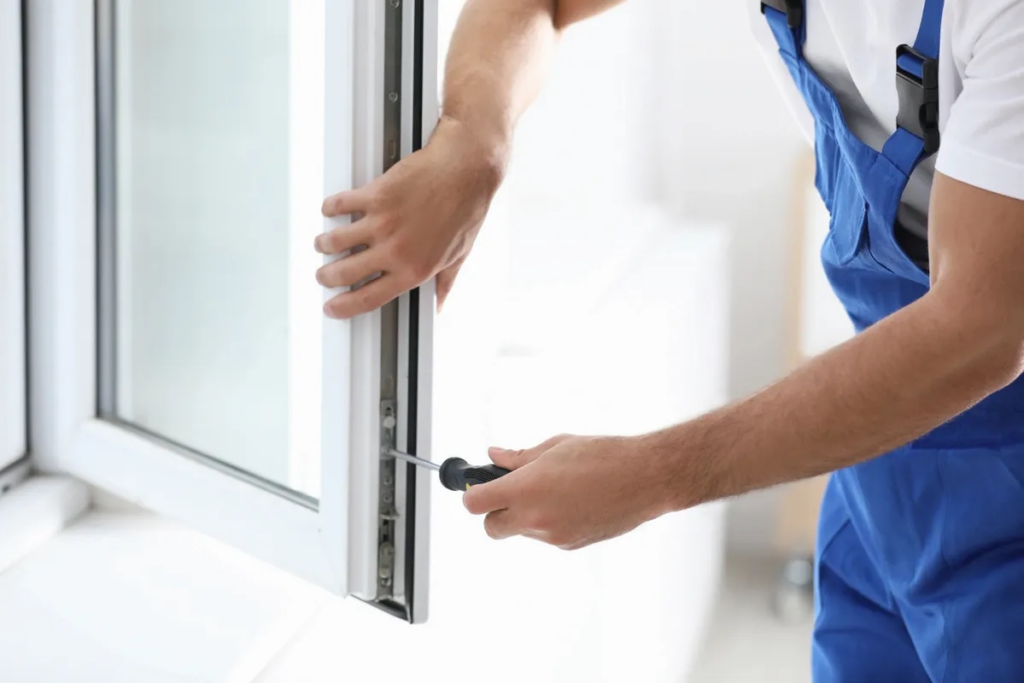
Understanding Window Leaks
Before diving into the repair process, it’s vital to comprehend what causes window leakages. Window leaks can emerge from numerous problems, including: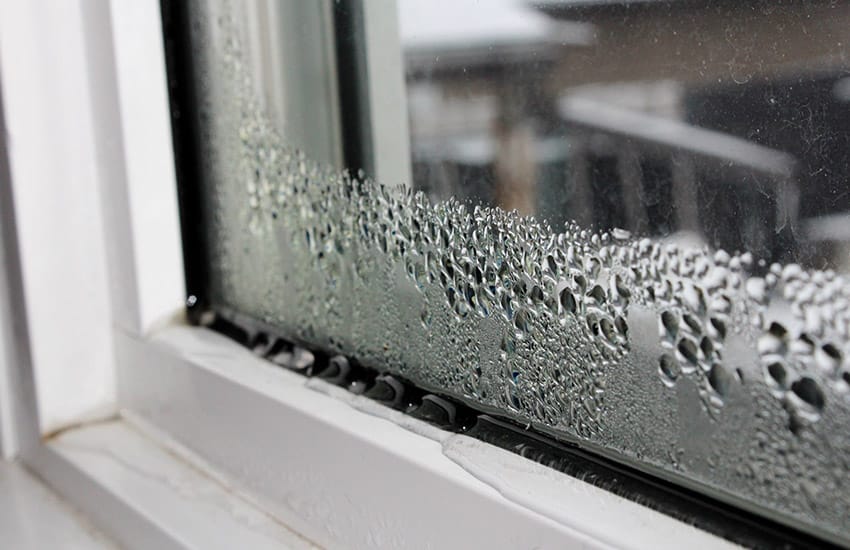
- Poor Installation: If windows were not installed effectively, spaces and fractures might develop, enabling water to enter.
- Weather Stripping Wear: Over time, weather condition stripping can break down, compromising its capability to seal the window successfully.
- Sealant or Caulking Failure: The sealant around the window can break down or crack due to age, weather condition changes, or incorrect application.
- Frame Damage: Wood frames can rot, and vinyl frames can warp, causing water intrusion.
Typical Symptoms of a Window Leak
Determining a window leak before it ends up being a substantial concern can conserve homeowners time and cash. Here are some common symptoms to expect:Symptoms of Window LeaksDescriptionWater Stains on Walls or CeilingsStaining or staining showing water damage.Mold or Mildew GrowthFungal growth can develop in wet areas.Drafts and Temperature FluctuationsIncreasing energy bills in addition to cold drafts.Harmed InteriorsPeeling paint or deformed wood near the window.
Steps to Repair a Window Leak
Once a leak is spotted, the next step is repairing it. Here’s a thorough guide detailing the actions included in window leak repair.
Action 1: Identify the Source of the Leak
Conduct a comprehensive evaluation of the window, both inside and outside. Pay attention to:
- Gaps in the Frame: Look for spaces in between the window frame and the wall.
- Harmed Caulking: Check the caulking for fractures or peeling.
- Weather Stripping Condition: Inspect weather stripping for indications of wear.
Action 2: Gather Necessary Tools and Materials
Before beginning the repair, gather the needed tools and materials. Here’s a useful list:Tools and MaterialsPurposeCaulk GunFor applying new caulk.High-Quality CaulkTo seal spaces and fractures.Weather condition StrippingTo replace used weather condition seals.Putty KnifeFor eliminating old caulk or paint.Energy KnifeFor cutting weather condition removing.Cleaning up SuppliesTo tidy surface areas before applying brand-new sealants.
Action 3: Clean the Area
Before sealing any spaces, tidy the location completely. Get rid of old caulking and weather condition removing using the putty knife and energy knife. Guarantee the surface area is dry and complimentary of dirt or debris.
Step 4: Apply New Caulking
Utilizing the caulk gun, apply a constant bead of top quality exterior caulking around the window frame. Guarantee consistent coverage and smooth it out with your finger or a caulking tool to develop a tight seal.
Step 5: Replace Weather Stripping
If the weather condition stripping is used, remove it and set up brand-new weather condition stripping according to the manufacturer’s directions. Ensure it fits comfortably versus the sliding window repair to keep drafts and water out.
Step 6: Test for Leakage
After completion, it’s essential to evaluate for any remaining leaks. Utilize a pipe to spray water around the window for a few minutes and inspect for signs of wetness inside. Additionally, look for drafts on windy days.
Preventative Measures
To avoid future window leaks, house owners can take several proactive steps:
- Regular Inspections: Schedule biannual inspections of windows to inspect for wear and tear.
- Keep Frames Clean: Ensure the window frames are clean and totally free from debris that can trap wetness.
- Preserve Landscaping: Keep trees and shrubs cut away from windows to avoid wetness accumulation on the frames.
- Recaulk as Needed: Regularly check and reapply caulk to keep a strong seal.
Frequently Asked Questions (FAQ)
1. How typically should I examine my windows for leaks?
It is advisable to check your windows a minimum of twice a year, preferably in the spring and fall. This allows you to capture any potential issues before they intensify.
2. Can I repair a window leak myself?
Yes, lots of sliding window repair leak repairs can be performed by homeowners with basic DIY skills. Nevertheless, if the damage is extensive or if you feel uncertain, it’s best to speak with a professional window repair.
3. What sort of caulk should I use for window repairs?
Choose a high-quality, weather-resistant outside caulk, preferably silicone-based, for bay window repair repairs. Silicone supplies exceptional adhesion and versatility.
4. How do I know if I require to change my windows instead of repairing them?
If your windows are severely damaged, decaying, or continuously leaking despite repairs, it may be more affordable to replace them. Indications consist of substantial draftiness, substantial moisture damage, or wear and tear of frames.Resolving window leakages quickly is vital to keeping a comfortable and safe home environment. By understanding the causes, signs, and repair procedure, house owners can effectively manage this problem. Routine examinations and preventative maintenance can also help extend the life of windows and boost the total energy performance of a home. By remaining proactive, property owners can safeguard their homes versus the harmful effects of water invasion and make sure a tranquil and dry living area.
请登录或注册以提交给你的回答


