

A Trip Back In Time What People Said About Freezer Energy Efficiency Class C 20 Years Ago
Understanding Freezer Energy Efficiency Class C: Implications, Benefits, and FAQs
When shopping for a freezer or any significant device, energy efficiency is frequently a significant consideration for consumers. Freezers feature different energy efficiency ratings, with Class C being one of them. This article explores what Class C suggests, its ramifications for energy consumption and costs, its benefits, and how it compares with other efficiency classes.
What is Energy Efficiency Class C?
Energy efficiency rankings in appliances are determined by numerous standards, reflecting how successfully they use electrical energy. Class C shows a moderate level of energy efficiency. It falls on the lower end of the energy efficiency scale, which varies from Class A (the most efficient) to Class G (the least effective).These rankings are generally appointed based on standardized tests determining the freezer’s energy consumption over a specific period. Class C appliances take in more energy than Classes A and B, making them less beneficial in terms of functional costs and ecological effect.
Energy Efficiency Class Ratings Overview
Energy ClassYearly Energy Consumption (kWh/year)DescriptionA+++≤ 120Many effectiveA++121-150Very effectiveA+151-200EffectiveA201-250Acceptable efficiencyB251-300Typical efficiencyC301-350Moderate efficiencyD351-400Second-rateE401-450Poor efficiencyF451-500Really poor efficiencyG≥ 500Least effective
Ramifications of Class C Freezers
While Class C freezers are created to offer adequate performance for the majority of household needs, there are a few essential implications to consider: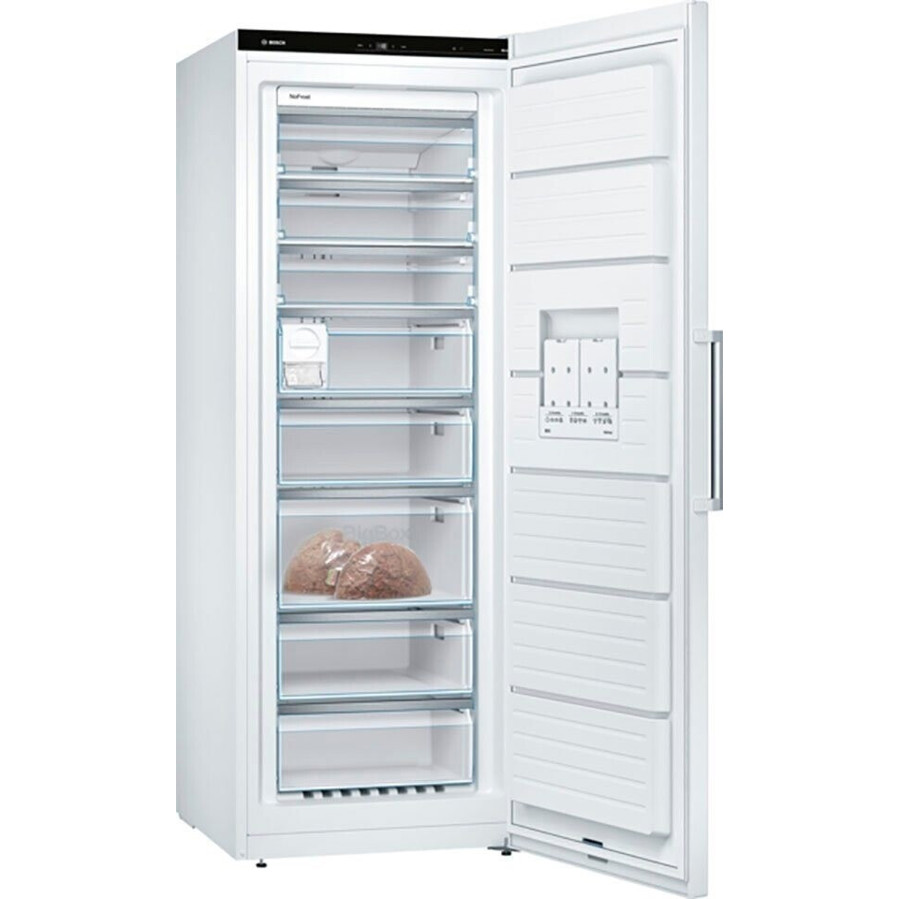
- Energy Consumption: A Class C freezer takes in more energy than more effective designs, leading to higher energy bills gradually.
- Ecological Impact: With increased energy usage comes a higher carbon footprint. Customers concerned about ecological effect might prefer more energy-efficient choices.
- Durability and Maintenance: Class C appliances may not constantly hold up as well as their more efficient equivalents, leading to potential upkeep and replacement costs.
- Cost Considerations: The lower in advance cost of a Class C freezer can be tempting. Still, it is essential to think about long-lasting expenditures connected to energy usage that might exceed any initial cost savings.
Benefits of Class C Freezers
While Class C freezers may not be the most energy-efficient alternative, they have their benefits:
- Lower Initial Cost: Class C appliances tend to have lower purchase prices, making them more available upfront for budget-conscious customers.
- Adequate for Light Use: For consumers with minimal freezing needs– such as those who just freeze small amounts of food– Class C freezers offer enough performance without unnecessary features.
- Schedule: Class C models might be more readily offered in particular markets, offering choices for consumers who may not discover higher-rated models available.
- Simplicity: Many Class C freezers feature simple designs and performance, making them simple to use without the complexities of higher-end models.
Comparisons with Energy Efficiency Classes
Class C freezers stand at a crossroads of efficiency. Here’s how they compare with other classes:
- Class A: Offers remarkable energy efficiency with lower functional expenses.
- Class B: Represents a balance between efficiency and price but still surpasses Class C in energy consumption.
- Class D: While offering some advantages over Class C, such models consume considerably more energy.
A Comparative Table
Energy ClassAdvantagesDisadvantagesAHighest efficiency; low expensesGreater initial purchase costBGood balance; moderate costModerate energy intakeCLower in advance expense; simplenessGreater energy bills, environmental issuesDUsually more affordable than CSubstantial energy consumptionE-GBudget plan alternatives offeredPoor energy efficiency; high functional costs
Common FAQs About Freezer Energy Efficiency Class C
Q1: How much more does a Class C freezer cost to run each year compared to a Class A?A: A Class C freezer might cost approximately 20-30% more to operate annually compared to a Class A. For a detailed expense analysis, dividing the annual kWh intake of both models by the local energy rate can provide a clearer picture.Q2: Are there any rebates or rewards for buying energy-efficient appliances?A: Yes, Gefriertruhe 200l Preisvergleich (just click the next web page) numerous regional and nationwide programs offer incentives for purchasing A or B rated appliances. Talk to regional energy business or government programs for info. Q3: Is it possible to enhance the energy efficiency of a Class Cfreezer?A: Yes, routine maintenance such as cleaning up coils, organizing items to enable proper airflow, and making sure door seals are tight can assist improve efficiency. Q4: Can I convert my existing Class C freezer to be more energy efficient?A: While you can’t transform an existing freezer class, you can carry out energy-saving practices, such as keeping the freezer complete (however not overcrowded)and adjusting the temperature setting. Q5: Would it be much better to invest in a greater class freezer for long-lasting savings?A: Generally, purchasing a higher-rated freezer( Classes A or B) can cause long-lasting cost savings due to lower energycosts. This also promotes environmental sustainability. Class C freezers provide a viable
option for consumers seeking affordability without needing comprehensive freezing needs. However, weighing the overall cost of ownership and ecological impacts is essential for making a notified decision. Whether choosing for a Class C design or thinking about more efficient variations, understanding energy intake is paramount in today’s eco-conscious society. By making proactive options, consumers can enjoy the advantages of their freezers while contributing to sustainable living practices.
请登录或注册以提交给你的回答


