

What Fascia And Soffit Specialists Experts Want You To Be Educated
Understanding Soffit and Cladding: A Comprehensive Guide
Soffit and cladding are important components of building construction that offer both aesthetic appeal and useful performance. While they might not be the very first considerations for the majority of homeowners and builders, comprehending these components can assist boost a property’s longevity, energy efficiency, and curb appeal. This thorough guide explores the nuances of soffit and cladding, analyzing their types, materials, installation, and maintenance.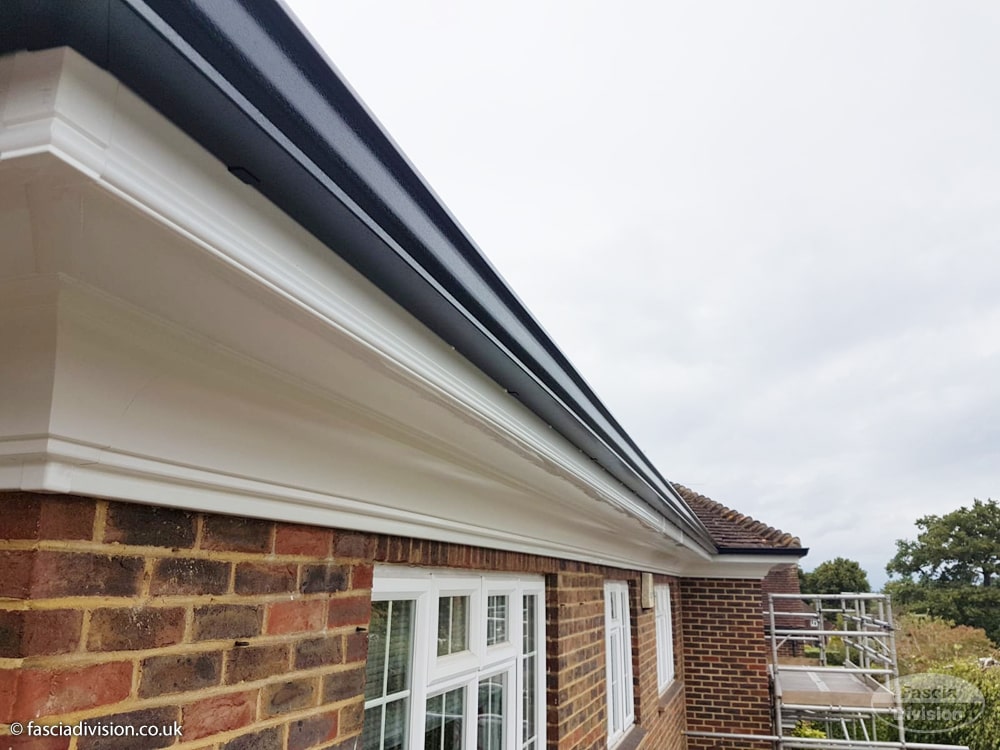
Tabulation
- Definition of Soffit And Fascia Services Fascia And Soffit Experts Cladding
- Types of Soffit
- Types of Cladding
- The Importance of Soffit and Cladding
- Installation Tips
- Maintenance Considerations
- Frequently asked questions
- Conclusion
1. Definition of Soffit and Cladding
- Soffit refers to the undersurface of any overhead component, and in residential architecture, it is typically discovered on the underside of roof eaves. The soffit is designed to prevent the entry of moisture and pests while enabling correct ventilation in attics.
- Cladding is an exterior material used to a building’s façade. It serves to safeguard the structure from the aspects and, sometimes, improves visual appeal. Cladding can be seen in a plethora of products, colors, and designs, providing house owners flexibility in their options.
2. Types of Soffit
Soffit comes in various products and designs. Below is a table outlining the most typical types:Type of SoffitProductProsConsVinyl SoffitPVCLong lasting, low maintenanceLimited color choicesWood SoffitTimberAesthetic appeal, customizabilityProne to rot, requires routine paintAluminum SoffitAluminumLight-weight, rust-resistantCan easily dentFiber Cement SoffitFiber cementExtremely durable, resistant to bugsMore costly, requires knowledgeable installation
3. Types of Cladding
Cladding products can substantially affect the building’s energy effectiveness and visual appeal. Below is a table laying out numerous types of cladding, their materials, benefits and drawbacks:Type of CladdingMaterialProsConsVinyl CladdingPVCEconomical, low maintenanceLimited life expectancyWood CladdingTimberNatural appearance, adjustableRequires maintenance, susceptible to bugsMetal CladdingAluminum, SteelFire-resistant, lightweightCan rust if not treated appropriatelyStone CladdingNatural stoneDurable and weather resistantPricey, heavyFiber Cement CladdingFiber cementExtremely durable, mimics natural materialsLabor-intensive installation
4. The Importance of Soffit and Cladding
Both soffit and cladding serve critical functions in the durability and performance of a structure.Advantages of Soffit:
- Ventilation: Soffits can provide airflow to attics, avoiding heat accumulation and wetness accumulation.
- Insect Control: A well-installed soffit assists keep bugs from getting in the attic or roofing location.
- Visual Design: Soffits can boost the architectural interest of a home’s outside.
Advantages of Cladding:
- Weather Protection: Cladding guards the underlying structure from rain, snow, and UV radiation.
- Energy Efficiency: Properly set up cladding can enhance insulation, wooden fascias (fascia-And-soffit19884.blogoxo.com) leading to lower heating & cooling expenses.
- Aesthetic Appeal: Cladding can significantly change the look of a home, supplying numerous appearances from rustic to modern-day.
5. Installation Tips
Setting up soffit and cladding might appear simple, but mindful preparation and execution are essential. Here are some pointers:
- Professional Help: Unless skilled, think about working with experts for installation. Errors can result in insulation issues or sturdiness problems.
- Ventilation: Ensure appropriate ventilation when setting up soffits to avoid moisture issues.
- Material Compatibility: Choose cladding that matches the existing architectural style and material of your home.
- Research Local Codes: Be aware of local structure codes or policies that might affect your installation choices.
6. Maintenance Considerations
While soffit and cladding are created to stand up to the aspects, routine maintenance is crucial for extending their life expectancy.Soffit Maintenance:
- Inspect frequently for signs of damage, such as peeling paint or fractures.
- Clean with detergent and a soft brush to avoid mold and mildew buildup.
- Guarantee vents are clear of particles to preserve air flow.
Cladding Maintenance:
- Examine occasionally for wetness invasion, especially at seams.
- Repaint, repair, or change any damaged sections of cladding.
- Clean surface areas as needed, specifically if they reveal indications of dirt or biological development.
7. Frequently asked questions
Q: How typically must I inspect my soffit and cladding?A: It’s suggested to
inspect both soffit and cladding a minimum of once a year, or after considerable weather condition events. Q: Can I paint my soffit and cladding?A: Most materialscan be painted, but specialized paints may be
required for certain products like vinyl. Always inspect the producer’s suggestions. Q: What must I do if I find damage to my soffit or cladding?A: Assess the extent of the damage.Minor repairs may be manageable, but extensive damage is best dealt with by
a professional. Q: Are there energy-saving benefits connected with soffit and cladding?A: Yes, correctly set up and insulated soffit and claddingcan significantly improve a building’s energy effectiveness, causing cost savings gradually. 8. Conclusion In conclusion, soffit and cladding are more than simple architectural details; they play important roles in protecting structures and boosting
their look. Comprehending the diverse materials and installation essentials can help property owners make informed choices. Proper maintenance makes sure these components continue to serve their function well into the future. Whether constructing a new home or remodeling an existing one, paying attention to soffit and cladding is a step towards developing a resilient structure that stands the test of time.
请登录或注册以提交给你的回答


