

Guide To Industrial Wooden Pallets: The Intermediate Guide In Industrial Wooden Pallets
The Importance of Industrial Wooden Pallets in Supply Chain Management
Worldwide of logistics and supply chain management, efficiency and sustainability are vital. Among the most important components in achieving these goals is the modest wooden pallet. Industrial wooden pallets act as the foundation for various industries, real estate the transport of products from point A to point B flawlessly. This post will look into the significance of industrial wooden pallets, their types, advantages, and common applications, while also attending to some regularly asked questions.
Tabulation
- Intro
- Types of Industrial Wooden Pallets
- 2.1 Standard Pallet Sizes
- 2.2 Other Types of Industrial Wooden Pallets
- Advantages of Wooden Pallets
- Common Applications of Wooden Pallets
- Upkeep and Durability
- Frequently asked question Section
- Conclusion
1. Intro
Wooden pallets have held substantial importance in the logistics and storage sectors for decades. They play a crucial role in efficiently moving items through storage facilities, warehouse, and retail environments. Their strong building and construction permits them to carry heavy loads, and their style can accommodate different stacking and storage needs. The option of pallets can enhance or hinder a company’s functional effectiveness, making it important for organizations to understand the advantages and choices readily available when it comes to industrial wooden pallets.
2. Kinds Of Industrial Wooden Pallets
2.1 Standard Pallet Sizes
In the market, wooden pallets usually adhere to standardized measurements, which helps improve the process of loading, stacking, and transferring. The following table highlights the most common basic pallet sizes:Pallet SizeMeasurements (inches)ApplicationsEuropean (EUR)47.2 x 31.5Perfect for European storage facilities and retailersISO47.2 x 31.5Used internationally in numerous industriesGMA48 x 40Commonly used in retail and distributionstringer palletsDifferent sizesUsed for heavy freight in industrial settingsblock palletsNumerous sizesSuitable for much heavier loads and sturdiness
2.2 Other Types of Industrial Wooden Pallets
Apart from the basic sizes, there are various kinds of wooden pallets, consisting of:
- Two-Way Pallets: Designed for entry from two sides, making them simpler to manage.
- Four-Way Pallets: Allow entry from all four sides, ideal for high-traffic locations.
- Embedded Pallets: Stackable styles that conserve area when not in usage.
- Double Deck Pallets: Feature a top and bottom deck, enhancing strength and load capacity.
3. Benefits of Wooden Pallets
Wooden pallets come with several advantages, making them a favored choice for lots of markets. Here are some noteworthy benefits:
- Cost-Effectiveness: Wooden pallets are usually less expensive to produce and maintain compared to plastic and metal options.
- Sustainability: Wood is a renewable resource; many suppliers use sustainable forestry practices, boosting their eco-friendliness.
- Strength and Durability: Wooden pallets can support a significant amount of weight, making them excellent for heavy industrial loads.
- Repairability: Damaged wooden pallets can typically be fixed, extending their life-span and reducing waste.
- Versatility: Wooden pallets are versatile to a wide variety of items, from groceries to equipment.
- Airflow: The design of wooden pallets permits appropriate airflow, vital for transporting disposable items.
4. Common Applications of Wooden Pallets
Industrial wooden pallets are utilized in different sectors, including:
- Food and Beverage: Transporting products such as canned items, beverages, and frozen items.
- Pharmaceutical: Safe and certified transportation of medical supplies and medications.
- Retail: Moving a wide variety of customer items efficiently from wholesalers to stores.
- Production: Handling machinery and components throughout the production process.
- Construction: Transporting heavy materials like lumber, bricks, and other building materials.
5. Maintenance and Durability
While industrial wooden pallets are robust, their longevity counts on appropriate maintenance. Here are a few ideas to guarantee toughness:
- Regular Inspections: Check for damages like fractures, splinters, or warping.
- Cleanliness: Keep pallets devoid of dirt and wetness to avoid rot and pest problems.
- Appropriate Storage: Store pallets in a dry environment far from direct sunshine to lessen damage.
- Repair as Needed: Implement a repair program for harmed pallets to extend their life expectancy.
6. FAQ Section
Q1: Are wooden pallets safe for food storage?Yes, however they should meet specific safety and hygiene policies. Always choose pallets that are marked as safe for food handling.Q2: How do I know if a wooden pallet is reusable?Inspect the pallet for visible damages and look for markings showing its grade. Reusable pallets will typically reveal very little wear and be structurally sound.Q3: Can wooden pallets be recycled?Yes, wooden pallets can be recycled and repurposed into new items, such as mulch, furnishings, or new pallets.Q4: How much do industrial wooden pallets cost?The expense can vary extensively depending upon size, design, and material quality, normally ranging from ₤ 10 to ₤ 25 each.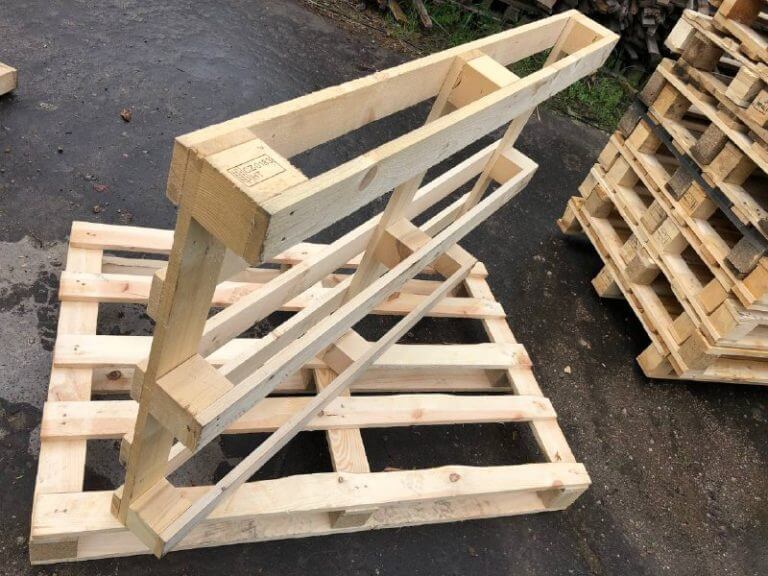 Q5: What is the average life-span of wooden pallets?When properly kept, wooden pallets can last in between 5 to 10 years.
7. Conclusion
Industrial wooden pallets play a critical function in the modern supply chain, using benefits that extend beyond simple transport. Their strength, flexibility, and cost-effectiveness make them an important property for various markets. Comprehending the numerous kinds of wooden pallets and their applications permits services to make informed choices that improve operational efficiency and sustainability. As supply chain dynamics evolve, the ongoing advancement and usage of wooden pallets will stay essential for moving products effectively and sustainably.
请登录或注册以提交给你的回答


