

12 Companies Leading The Way In Fascia Repair
Soffit and Fascia Repair: A Comprehensive Guide
When it comes to the repair and maintenance of your home, the soffits and fascia might not be the very first things that enter your mind. Yet, these components are important to the health and durability of your roof. Soffits are located below the roofing system’s eaves, while Fascia And Gutter Replacement is the horizontal board that runs along the edge of the roofing. Both play necessary functions in ventilation and safeguarding your home from the components. In time, wear and tear, weather conditions, and bugs can cause harm that requires timely attention. In this guide, we will explore the approaches, advantages, and indications of Soffit And Fascia Repair (Fascia-Repair25670.Tdlwiki.Com), alongside often asked questions to offer you a well-rounded understanding.
Understanding Soffit and Fascia
Before diving into repair methods, it’s vital to understand what soffits and fascia do: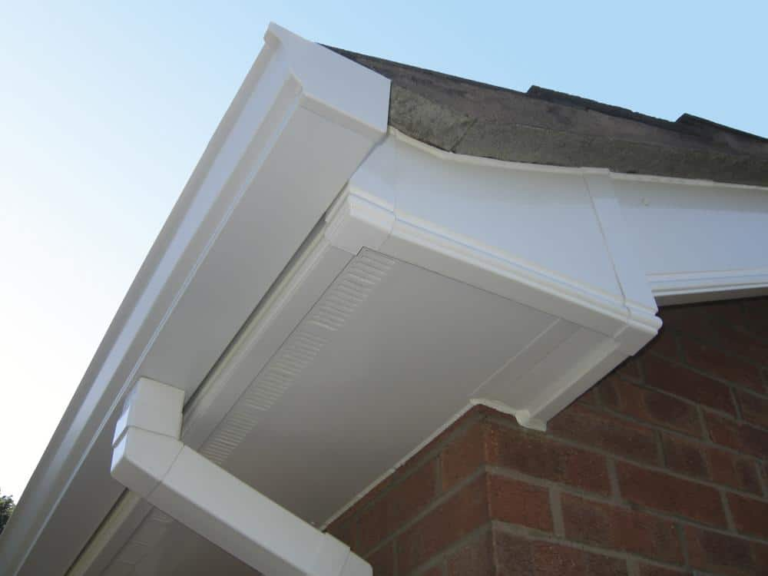 ComponentDescriptionFunctionSoffitThe underside of the roof overhang. Often made from wood, vinyl, or aluminum.Offers ventilation to the attic and avoids moisture accumulation which can cause mold.FasciaThe vertical ending up edge of the roofing system, typically discovered at the eaves.Helps protect the roofing and gutters, supplying an aesthetic finish while safeguarding against insects.
Signs of Damage
Acknowledging the signs of damage early can conserve you from expensive repairs later on. Here are several indicators to keep an eye out for:
- Peeling Paint: If the paint is peeling or bubbling, it might recommend moisture build-up, resulting in rotten wood below.
- Staining: Water stains or spots from mold can indicate leakages or wetness intrusion.
- Fractures or Holes: Visible spaces or cracks can permit bugs like birds and bugs to get in.
- Sagging Eaves: If the eaves droop, this may show structural weak point due to decay.
- Gutter Issues: If seamless gutters are not functioning properly, it could lead to excess wetness impacting the soffit and fascia.
Benefits of Soffit and Fascia Repairs
Repairing and preserving your soffit and fascia is crucial for lots of reasons:BenefitDetailsImproved VentilationProper Soffit And Fascia Replacement repair boosts air flow in the attic, reducing heat and wetness buildup.Aesthetic AppealNewly repaired or changed fascia enhances curb appeal and the general look of your home.Bug ControlSealing gaps prevents pests from going into, securing your home from problems.Preventative MaintenanceRoutine repairs extend the life-span of your roofing system and prevent more serious damage.
How to Repair Soffit and Fascia
Repairing soffit and fascia might be a task you can handle yourself if you’re comfy with DIY tasks. Here is a step-by-step guide to help you through the procedure.
Materials Needed
- Replacement soffit or Fascia Board Replacement materials (wood, vinyl, or aluminum)
- Caulk and caulk gun
- Hammer
- Screwdriver
- Measuring tape
- Paint (optional)
- Ladder
Step 1: Inspect and Measure
Begin by checking the location where repairs are required. Procedure the length and width of the damaged soffit or fascia to ensure your replacement products fit appropriately.
Step 2: Remove Damaged Sections
Utilizing a screwdriver and hammer, carefully eliminate the broken sections. For wooden parts, be conscious of any decomposing that may have happened.
Action 3: Replace with New Material
Cut your new soffit or fascia to the appropriate length. Secure it in location utilizing screws, ensuring that it fits snugly against the existing structure.
Step 4: Seal Gaps
As soon as the new material is in place, use caulk around the edges to create a water resistant seal. This action is important for preventing wetness from seeping into vulnerable areas.
Step 5: Paint (optional)
If you are utilizing wood materials or wish to improve the aesthetics of your fascia, use an ideal outside paint to protect versus the aspects.
Step 6: Regular Maintenance
Bring your ladder out regularly to inspect the soffits and fascia for brand-new indications of wear and tear. Dealing with little concerns instantly can prevent larger issues down the line.
FAQs About Soffit and Fascia Repair
1. How often should I inspect my soffit and fascia?
It’s suggested to inspect your soffit and fascia at least when a year, ideally during the spring and fall seasons. Additionally, check them after severe weather condition occasions.
2. Can I change soffits and fascia myself?
Yes, if you are experienced with DIY projects and the essential tools, you can usually deal with the replacement yourself. However, if the damage is severe or you feel unpleasant, hiring a professional is a smart option.
3. What materials are Best Fascia Replacement for soffit and fascia repairs?
Typical products include vinyl, aluminum, and treated wood. Vinyl is popular for its low maintenance, while aluminum provides sturdiness against the elements.
4. What if I discover rot in my fascia?
If you discover rot, it’s important to replace the broken areas promptly to avoid more decay and structural damage to your roof.
5. Will fixing soffits and fascia impact my home insurance coverage?
Many insurance coverage consider well-maintained homes less dangerous, which might possibly reduce your premiums. Constantly seek advice from with your insurance agent for specific guidance regarding your policy.Soffit and fascia repair is not just about maintaining your home’s curb appeal; it’s about protecting your roof and ensuring the structural stability of your home. Routine assessment and timely repairs can prevent significant issues, save you cash, and improve general home convenience. Comprehending the signs of damage, repair processes, and the advantages of keeping these components is important for every single homeowner. By following this guide, you can with confidence tackle your soffit and fascia issues, adding to the long-term health of your home.
请登录或注册以提交给你的回答


