

How Cargo Containers Rose To The #1 Trend In Social Media
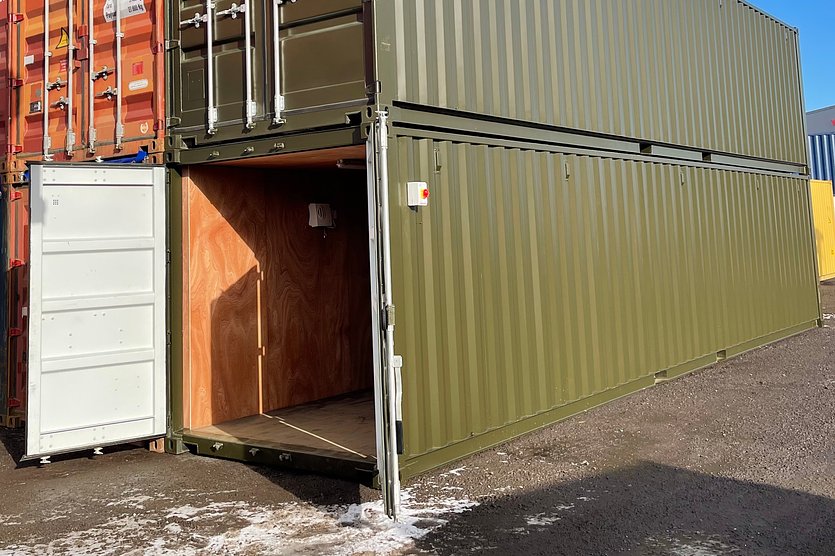
Exploring the World of Used Cargo Containers: A Comprehensive Guide
Over the last few years, the appeal of used cargo containers has skyrocketed, thanks to their versatility and cost. Originally developed to withstand the rigors of worldwide Shipping Container Transport, these robust metal boxes offer a wide range of applications beyond their preliminary purpose. From storage solutions to distinct housing jobs, used cargo containers are reshaping how individuals and businesses see area and sustainability. This blog site post dives deep into the various elements of used cargo containers, their prospective uses, benefits, factors to consider when buying, and often asked concerns.
The Basics of Used Cargo Containers
Cargo containers have been used for years in the Shipping Container Delivery industry. Once they reach completion of their Shipping Container Construction life, much of these containers are cost a portion of their original cost. This opens up a myriad of possibilities for individuals and companies wanting to use them for various functions.
Table 1: Common Uses for Used Cargo Containers
Usage CaseDescriptionStorage SolutionsSuitable for long-lasting storage of devices, vehicles, or items.Office SpaceCan be converted into portable offices for on-site work.Living SpaceUsed in innovative housing jobs, including tiny homes.Retail StoresAdjusted into pop-up shops or unique retail experiences.WorkshopsWorks as a work area for crafts or industrial activities.Mobile ClinicsUsed in health care for mobile centers in remote areas.Event SpacesCan be changed into bars, lounges, or exhibition areas.With these extensive applications, it’s clear that used cargo containers use innovative solutions for many obstacles.
Benefits of Using Used Cargo Containers
The advantages of utilizing used cargo containers extend beyond cost savings. Here are some key advantages:
- Durability: Constructed from weather-resistant steel, cargo containers can withstand extreme ecological conditions.
- Cost-Effective: Used containers are significantly cheaper than brand-new ones, making them available for different spending plans.
- Sustainability: Repurposing containers is an ecologically friendly choice, reducing waste and the need for new products.
- Flexibility: Their modular design enables for simple stacking, transporting, and repurposing.
- Security: Containers are lockable and offer a secure storage alternative for important belongings.
- Movement: Containers can be moved quickly, making them ideal for momentary or altering locations.
Table 2: Pros and Cons of Used Cargo Containers
ProsConsCost effective ratesMay have cosmetic wear or damageVersatile applicationsTransport expenses might applyEasy to customizeZoning guidelines may restrict useStrong and weatherproofPossible rust and corrosion problemsQuick delivery availabilityRestricted modification choices
Aspects to Consider When Buying Used Cargo Containers
When thinking about the purchase of a used cargo container, numerous aspects should be examined:
- Container Condition: Check for rust, dents, or leakages. A comprehensive assessment is essential to guaranteeing the container fulfills your needs.
- Container Size: Common sizes include 20-foot and 40-foot containers. Consider what you plan to keep or construct and choose appropriately.
- Regional Regulations: Research regional zoning laws and policies concerning making use of cargo containers in your location.
- Transport Options: Understand the logistics of carrying the container to your preferred area.
- Personalization Needs: If modifications are expected (windows, doors, electrical systems), make sure that the container can accommodate these modifications.
- Getting Source: Investigate credible dealers or auctions to ensure you’re purchasing from a reliable source.
Table 3: Different Sizes of Cargo Containers
SizeDimensions (L x W x H)Approx. VolumeCommon Use20-ft Standard20′ x 8′ x 8.5’1,172 cu ftStorage, little offices40-ft Standard40′ x 8′ x 8.5’2,390 cu feetBigger storage needs40-ft High Cube40′ x 8′ x 9.5’2,694 cu feetTaller storage requires45-ft High Cube45′ x 8′ x 9.5’3,040 cu feetMax. storage
Frequently Asked Questions (FAQs)
1. Are used cargo containers safe for residential usage?
Yes, as long as you ensure proper ventilation and insulation, used cargo containers can be safe for domestic use.
2. How can I customize a cargo container for use as an office?
Modifications can consist of cutting doors and windows, including insulation, electrical circuitry, and cooling units. It’s advisable to seek advice from professionals who concentrate on container modifications.
3. Can I place a cargo container on my home?
This depends upon local zoning laws and regulations. Talk to local authorities to see what is allowable before purchasing.
4. How much does a used cargo container typically cost?
Prices can range from ₤ 1,500 to ₤ 5,000, depending upon the size and condition of the container.
5. What upkeep is needed for used cargo containers?
Regular upkeep consists of checking for rust or corrosion, making sure that locks and hinges work properly, and occasionally looking for leaks.Used cargo containers present an ingenious and economical solution for numerous storage and construction requirements. Their sturdiness, flexibility, and sustainability credit to their growing popularity among individuals and services. As interest continues to rise, comprehending how to browse the process of purchasing and repurposing these containers ends up being essential.Whether considering a container for storage, a portable office, or perhaps a special home, the world of used cargo containers offers exciting possibilities. By weighing the benefits against potential disadvantages and staying notified about regulations and finest practices, anyone can effectively incorporate used cargo containers into their lives or business. The trend is not almost efficiency but likewise about accepting sustainability and imagination in design.
请登录或注册以提交给你的回答


