

15 Non Folding Treadmill Benefits Everybody Must Be Able To
The Comprehensive Guide to Non-Folding Treadmills: Benefits, Features, and Recommendations
When it pertains to home fitness devices, the treadmill has stood the test of time as one of the most popular options. Among numerous types offered in the market, non-folding treadmills have actually gotten particular attention for their stability and resilience. In this post, we will explore what non-folding treadmills are, their advantages, crucial functions to consider, and some recommended designs. By the end, you will have a much better understanding of whether a non-folding treadmill is the best option for your physical fitness journey.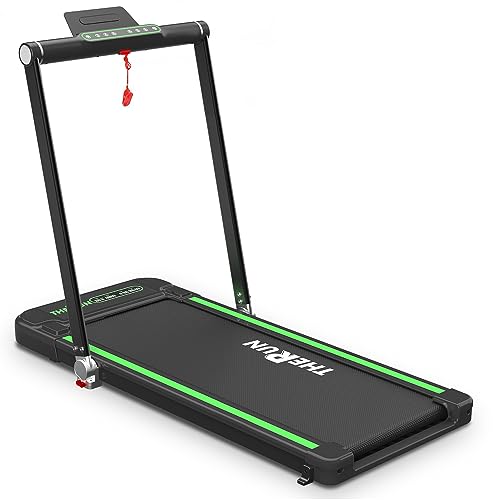
Comprehending Non-Folding Treadmills
Non-folding treadmills, as the name suggests, are created to remain in a fixed position. Unlike their folding equivalents, they do not have the capability to collapse or fold for storage. This style uses numerous benefits, especially in regards to stability and toughness, making them an attractive option for major fitness lovers.
Advantages of Non-Folding Treadmills
While both folding and non-folding treadmills serve the exact same basic function, non-folding designs include distinct advantages:
- Increased Stability: Non-folding treadmills are usually built on a more strong frame, offering enhanced stability during intense workouts.
- Higher Weight Capacity: These designs often support much heavier users compared to folding treadmills due to their tougher design.
- Much better Durability: With fewer moving parts and a more robust building and construction, non-folding treadmills tend to have a longer life expectancy.
- Advanced Features: Non-folding models often include advanced innovation and features such as remarkable shock absorption, more slope options, and built-in workout programs.
Here’s a comparison in between the 2 types:FeatureFolding TreadmillsNon-Folding TreadmillsStabilityModerateHighWeight CapacityLow to ModerateHighToughnessModerateHighStorage SpaceSpace-savingRequires dedicated areaFunctionsFundamental to ModerateAdvanced
Key Features to Consider
When choosing a non-folding treadmill, a number of crucial functions ought to be considered:
- Motor Power: Look for a motor with at least 2.0 CHP (constant horsepower) for a reputable running experience. More effective motors (3.0 CHP and above) are ideal for running at high speeds and for much heavier users.
- Running Surface: A larger and longer running area (a minimum of 20 inches large and 55-60 inches long) offers much better comfort, especially for taller users.
- Slope Options: Adjustable incline settings can help you add variety to your workouts, targeting various muscle groups.
- Cushioning System: A great shock absorption system can decrease the influence on your joints, making workouts safer and more comfy.
- Console Features: Look for treadmills with user-friendly consoles that display screen needed metrics, provide exercise programs, and have connection choices for music or virtual training.
- Guarantee: A solid warranty (a minimum of 5-10 years on the frame and motor) can supply peace of mind concerning your financial investment.
Top Non-Folding Treadmills on the marketplace
Here are some extremely suggested non-folding treadmills that accommodate different spending plans and requirements:Treadmill ModelKey FeaturesPrice RangeNordicTrack Commercial 17503.75 CHP motor, 14″ touchscreen, iFit compatible₤ 1,599 – ₤ 1,799Sole F803.5 CHP motor, 22″ running surface area, foldable₤ 1,699 – ₤ 1,899Life-span TR5500i3.0 CHP motor, multiple slope levels, Bluetooth-connected₤ 1,299 – ₤ 1,499ProForm Pro 90004.0 CHP motor, 22″ touchscreen, incorporated speakers₤ 1,999 – ₤ 2,299Horizon Fitness 7.0 AT3.0 CHP motor, Bluetooth speakers, 15% slope₤ 999 – ₤ 1,199
Frequently Asked Questions (FAQs)
1. Are non-folding treadmills worth the investment?
- Yes, non-folding treadmills are normally worth the financial investment if you focus on stability, toughness, and advanced features over storage convenience.
2. Can non-folding treadmills fit in smaller spaces?
- Non-folding treadmills require more dedicated space compared to folding designs, so it’s vital to measure your space before purchasing.
3. How do I keep my non-folding treadmill?
- Routine upkeep includes oiling the belt, cleaning the treadmill surface area, and checking the motor and electronic parts for any issues.
4. Can I use a non-folding treadmill for walking along with running?
- Definitely. Many non-folding treadmills accommodate both walking and running speeds, making them flexible for different exercise needs.
5. What’s the typical life-span of a non-folding treadmill?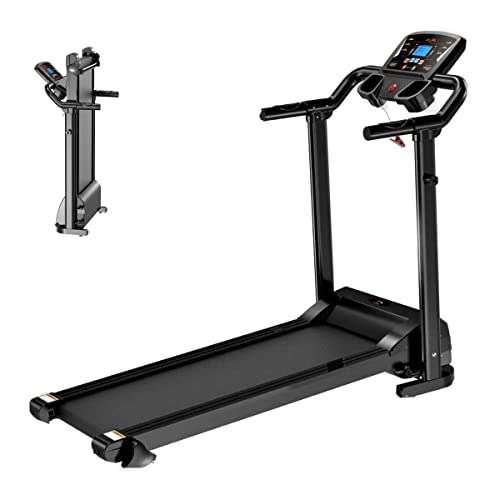
- With correct maintenance, non-folding treadmills can last anywhere from 10 to 15 years, depending on use frequency and model quality.
Non-folding treadmills are a wonderful alternative for those who are major about their fitness journey. With their stability, resilience, and advanced functions, they can supply a more effective and pleasurable workout experience. While these designs use up more area than their folding counterparts, the advantages frequently outweigh the downsides for dedicated fitness enthusiasts. With the right knowledge and factor to consider, finding the best non-folding treadmill to satisfy your needs can be an interesting action towards accomplishing your health and physical fitness objectives. Whether you select to purchase a premium design or a more economical alternative, the essential thing is to discover a treadmill that fits your lifestyle and encourages you to remain active. Delighted running!
请登录或注册以提交给你的回答


