

20 Tips To Help You Be More Successful At Buy A1 German Certificate

Understanding the Benefits of Obtaining an A1 German Certificate
In today’s globalized world, being multilingual is a significant benefit. Learning German, in specific, opens doors to various chances, whether for travel, career improvement, or education. Among the foundational actions for anyone wanting to establish their efficiency in the German language is obtaining an A1 German Certificate. This post will explore what the A1 certification requires, its significance, the process of obtaining it, and typical concerns surrounding it.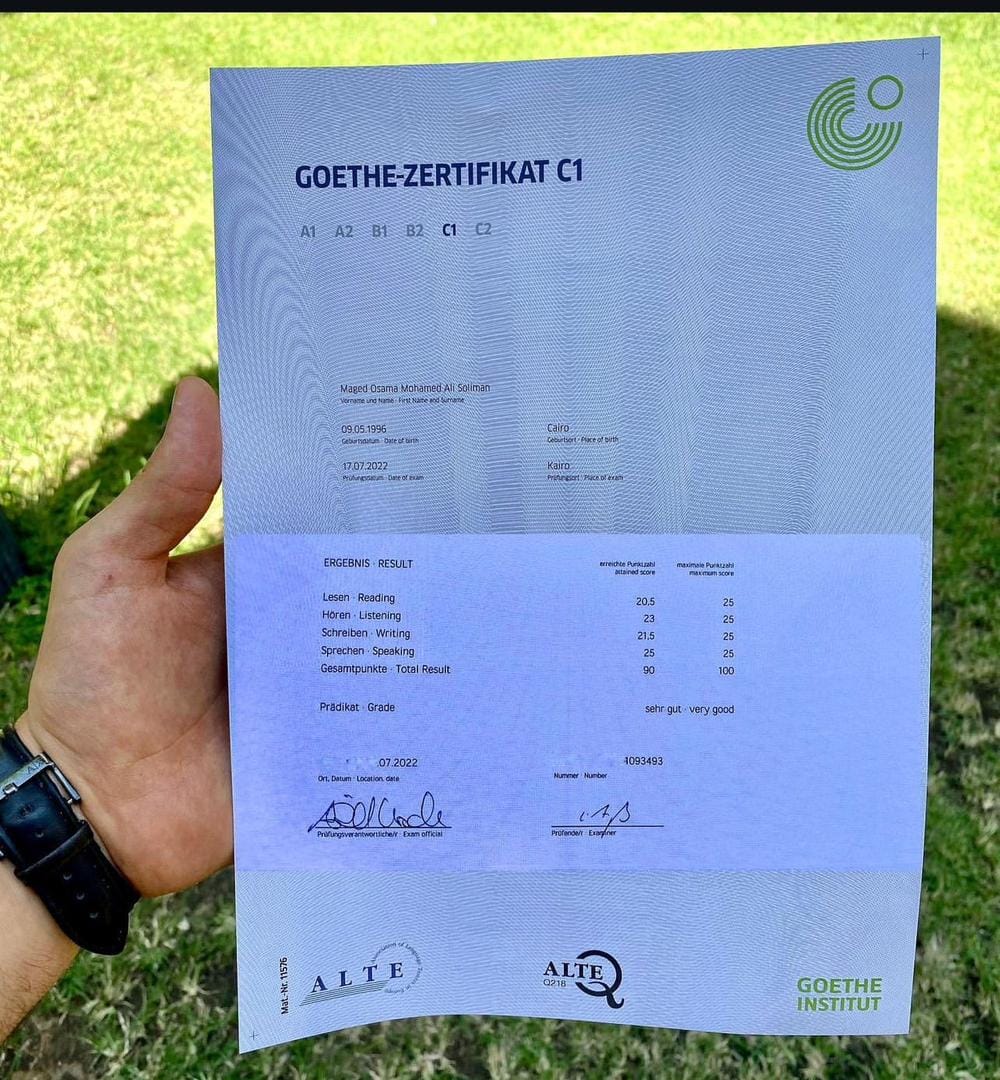
What is the A1 German Certificate?
The A1 German Certificate is an official accreditation that demonstrates basic proficiency in the German language. It is awarded to people who have actually completed the preliminary level of a structured German language program. The A1 level is the first tier in the Common European Framework of Reference for Languages (CEFR), which classifies language efficiency into six distinct levels (A1 to C2).
A1 Level Proficiency Skills
Below are the capabilities anticipated from individuals who acquire an A1 level accreditation:Skill AreaDescriptionListeningCan comprehend familiar everyday expressions and really standard phrases focused on satisfying concrete requirements.SpeakingCan use simple phrases and sentences to express standard requirements.ReadingCan comprehend familiar names, words, and really basic sentences, for example, on notifications and posters or in brochures.ComposingCan compose a short, basic postcard, for instance, to send holiday greetings.
Why is the A1 German Certificate Important?
The A1 German Certificate serves not only as a proving ground for language students but also carries numerous useful advantages:
- Foundation for Further Learning: Achieving A1 efficiency offers students with a strong foundation for advancing to higher levels (A2, zertifikat kaufen b1 (visit the next website), etc).
- Enhancing Employment Opportunities: Many companies in German-speaking nations or business with German customers favor candidates with a standard understanding of the language. The A1 certificate works as a formal acknowledgment of this proficiency.
- Increased Confidence: Successfully obtaining the A1 certificate can enhance a student’s confidence, motivating them to continue their language journey.
- Migratory and Visa Requirements: Some migration procedures for German-speaking countries need proof of standard language proficiency.
- Social Integration: A basic understanding of the language can improve social interactions, assisting learners browse every day life in a German-speaking environment.
Process of Obtaining the A1 German Certificate
Achieving an A1 German Certificate usually involves a few simple steps:
- Enroll in a Language Course: Many organizations use German language courses customized to novices. It’s vital to pick recognized programs that prepare trainees for certification.
- Study Regularly: Dedication to regular study is crucial. This includes practicing speaking, listening, reading, and composing.
- Mock Tests: Numerous practice tests are available online. Taking mock tests will assist learners understand the exam’s format and recognize locations needing improvement.
- Register for the Exam: Once prepared, prospects can sign up for the A1 certification exam. It’s essential to check the registration deadlines and exam dates.
- Get ready for the Exam: It’s helpful to examine all elements of the language, focusing particularly on the locations stressed in the A1 level.
- Take the Exam: The exam normally consists of four elements: Listening, Reading, Writing, and Speaking. After the exam is finished, prospects might receive their outcomes within a couple of weeks.
Normal Exam Structure
The A1 German exam generally follows this structure:ComponentPeriodWeight (%)Listening20 minutes25%ReadingThirty minutes25%Writing20 minutes25%Speaking15 minutes25%
Common FAQs About the A1 German Certificate
1. Who is qualified for the A1 German Certificate?
There are no strict eligibility requirements. Anyone interested in learning German can pursue this certification, consisting of total newbies.
2. For how long does it take to prepare for the A1 exam?
Preparation time varies based on individual language discovering capabilities. Typically, students may need 60 to 80 hours of instruction and extra self-study.
3. Where can I take the A1 German exam?
The A1 exam is used by numerous language schools and official exam centers worldwide. Some renowned organizations consist of the Goethe-Institut and TELC.
4. What resources are suggested for studying for the A1 exam?
There are numerous language apps, websites, books, and online courses particularly designed for A1 level preparation. Popular books include “Schritte International” and “Menschen.”
5. What takes place if I stop working the exam?
If a prospect does not pass the A1 exam, they can retake the exam after a suitable period of preparation. There’s no limitation on the variety of attempts.
6. Is the A1 German Certificate recognized worldwide?
Yes, the A1 certificate is extensively recognized, specifically in German-speaking nations, as evidence of one’s fundamental language abilities.Obtaining an A1 German Certificate is a significant milestone for anyone embarking on their journey to master the German language. This accreditation not only offers learners with the self-confidence that originates from formal recommendation of their skills but likewise equips them with essential tools to navigate the world around them. Whether for personal fulfillment, professional development, or scholastic goals, the A1 certificate works as an entrance to much deeper engagement with the German language and culture.As the world continues to develop, accepting the opportunity to find out languages such as German is a commendable pursuit that can pay dividends in many ways. For that reason, for those thinking about taking the plunge into discovering German, protecting the A1 German Certificate is certainly a worthwhile goal.
请登录或注册以提交给你的回答


