

9 . What Your Parents Taught You About Planing Machines For Diyers
Planning Machines for DIYers: Unleashing Your Woodworking Potential
When it pertains to woodworking, having the right tools can make all the difference. One vital tool that can elevate the quality of your projects and enhance the procedure is a planning maker. Whether you’re an experienced craftsmen or a weekend DIYer, comprehending the ins and outs of these machines can assist you attain the precision and finesse you desire in your woodworking projects. In this thorough guide, we will dig into the subtleties of preparing machines, their types, essential functions, benefits, and some frequently asked concerns.
What is a Planning Machine?
A planning maker, typically known as a planer, is a woodworking device used to reshape and smooth wood surface areas. By removing irregularities and making consistent density, a planer can dramatically boost the finish and quality of your wood pieces. This tool is important for anyone intending to produce professional-grade woodwork.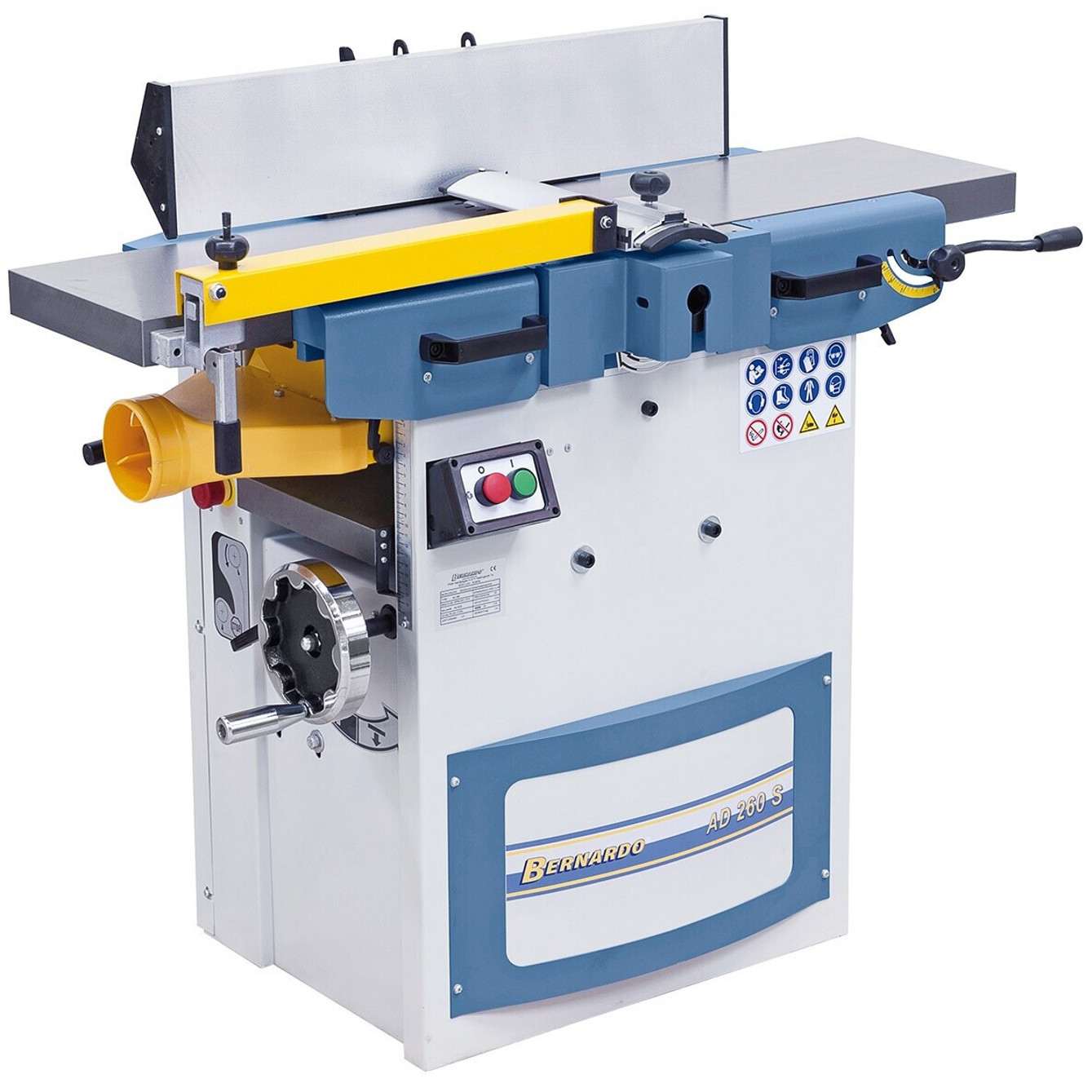
Kinds Of Planning Machines
When considering the purchase of a preparation maker, DIYers can pick from a number of types, each with its own set of functions and advantages:Type of PlannerDescriptionBest forHandheld PlanerPortable, user-friendlyLittle projects, fast touch-upsBench PlanerFixed, fixed-heightLarger panels, consistent widthThickness PlanerGets rid of material from the surface areaAttaining consistent densityJointersFlattens one side of lumberPreparing boards for signing up with
Key Features to Look For
When selecting a preparation maker, particular features can boost your woodworking experience. Here are some important qualities to consider:
- Motor Power: The motor’s power typically varies from 12 to 20 amps. A more powerful motor can deal with denser woods and larger jobs.
- Cutting Width: The width of wood the planer can accommodate. Typical sizes vary from 12 inches to over 20 inches.
- Table Length: A longer table generally supplies stability for Professionelle Hobelmaschinen larger boards, decreasing the possibility of snipe (a defect that can occur in the leading or routing edge of a board).
- Height Adjustment: Some planers use easy height adjustments for different density products.
- Dust Collection: Efficient dust collection systems can assist keep your work area clean and enhance visibility.
Advantages of Using Planning Machines
Integrating a preparation machine into your DIY toolkit comes with a myriad of advantages:
- Time Efficiency: Speed up your sanding and completing procedure by accomplishing smooth surfaces rapidly.
- Precision: Ensures consistent thickness across your wood pieces, crucial for Elektrische Hobelmaschinen joinery and fitting.
- Complete Quality: Produces a final product that is professionally smooth, making it ideal for furniture production or other comprehensive projects.
- Flexibility: Allows for customization of wood dimensions, adapting to specific project needs.
How to Use a Planning Machine
Using a planning maker efficiently needs comprehending its operation. Here’s a detailed guide:
- Select your wood: Ensure it is without nails or screws to safeguard the blades.
- Change the height: Based on the thickness of the wood you plan to procedure.
- Power up: Turn on the maker and permit it to reach complete speed before feeding wood into it.
- Feed the wood: Slowly and regularly feed wood into the maker, keeping a constant pressure without requiring it.
- Inspect the surface: After planing machines for Diyers, inspect the surface area for smoothness and Hobelmaschinen In Meiner NäHe consistency.
Security Tips
- Constantly wear appropriate safety gear, including eye security and earplugs.
- Keep hands clear of the cutting area.
- Make sure the office is clean and uncluttered.
Common Applications of Planning Machines
Preparation machines are versatile tools that can be used for numerous woodworking tasks, consisting of:
- Flattening Rough Lumber: Preparing rough-cut lumber for furniture and kitchen cabinetry.
- Thicknessing: Achieving constant density across different pieces of wood.
- Creating Square Edges: Perfect for joinery tasks, ensuring pieces meshed effortlessly.
- Smoothing Rough Surfaces: Removing imperfections and preparing wood for finishing.
FAQ
Q1: What is the difference in between a density planer and a board planer?
A: A density planer is developed to accomplish a specific thickness across the entire board, while a board planer focuses on smoothing out the surface area and flattening the edges.
Q2: Do I require a dust collection system with my planning maker?
A: While it’s not obligatory, a dust collection system is highly recommended as it improves presence and cleanliness in your work space.
Q3: Can I utilize a handheld planer for bigger projects?
A: Yes, but it may be less effective and can result in unequal results compared to stationary models specifically developed for larger tasks.
Q4: What kind of wood is best for beginners?
A: Softwoods such as pine or cedar are excellent for beginners because they are easier to work with and more flexible.
Q5: How do I maintain my preparation maker?
A: Regularly clean the blades, check for sharpness, and ensure that all moving parts are well-lubricated according to the producer’s recommendations.Investing in a planning device can considerably boost a DIY lover’s ability in woodworking projects. By making it possible for exact density, consistent surface areas, and a total professional finish, these machines are invaluable tools that can cultivate imagination and enhance the quality of projects. With correct usage and upkeep, any DIYer can take full advantage of the advantages of a planning device, changing basic materials into beautifully ended up items. As you start your woodworking journey, think about the benefits that an excellent planning device can give your craft.
请登录或注册以提交给你的回答


