

Guide To Buy Shipping Containers: The Intermediate Guide On Buy Shipping Containers
The Comprehensive Guide to Buying Shipping Containers
Shipping containers have actually transcended their standard function in the logistics industry, becoming flexible solutions for storage, interior spaces, and more. Their resilience, price, and special structural benefits make them appealing for numerous applications, from homes and offices to popup shops and community tasks. This article offers an in-depth take a look at the aspects to consider when buying shipping containers, the types offered, potential usages, and answering often asked questions.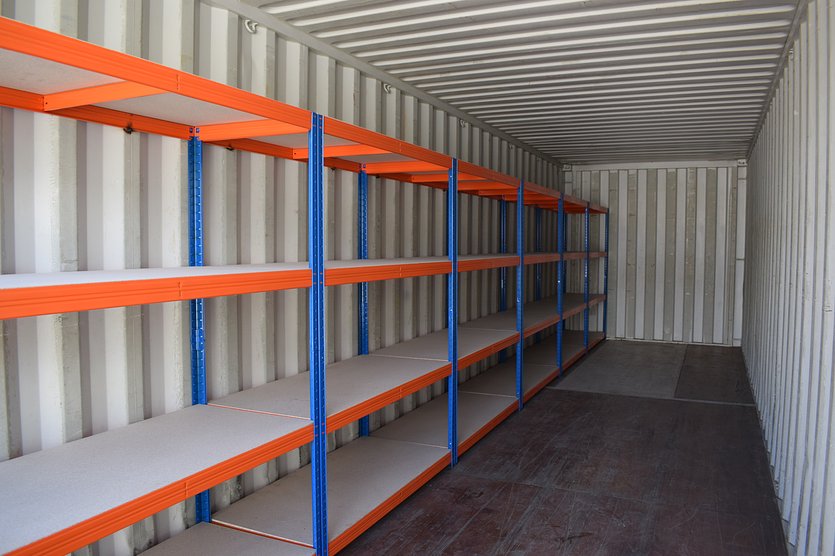
Why Consider Buying Shipping Containers?
Shipping containers offer several unique advantages, consisting of:
- Durability: Constructed to endure harsh marine conditions, shipping containers are made from steel, ensuring durability and resistance to deterioration.
- Portability: Containers can be quickly carried by trucks, ships, and trains, providing terrific versatility for use.
- Price: Compared to standard construction approaches, purchasing shipping containers is typically a more affordable service.
- Eco-friendliness: Repurposing shipping containers reduces waste, making them an environmentally sustainable choice.
Various Types of Shipping Containers
When wanting to buy shipping containers, numerous types are readily available, each serving distinct requirements. Below is a table laying out the most common types of shipping containers and their attributes:TypeDimensions (L x W x H)Key FeaturesIdeal UsesRequirement Dry Container20ft/ 40ftBasic weather condition defenseStorage, shipping productsHigh Cube Container20ft/ 40ftBonus height (1ft taller than standard)Taller products, stackable storageRefrigerated Container20ft/ 40ftTemperature-controlledPerishable productsOpen Top Container20ft/ 40ftOpenable roofing system for high cargoBulk products, oversized productsFlat Rack Container20ft/ 40ftNo sides or roofing, simple loadingHeavy machinery, automobilesDouble Door Container20ft/ 40ftDoors on both ends for ease of accessQuick loading/unloading
Elements to Consider When Buying Shipping Containers
- Function and Usage: Determine what you require the container for– storage, shipping, housing, and so on. This will influence the type and condition of the container you should acquire.
- New vs. Used: New containers are more expensive however use much better durability and aesthetic appeals. Used containers can be substantially cheaper but might require maintenance and repair work.
- Size Requirements: Choose a size that aligns with your needs. Standard choices include 20ft and 40ft containers, however larger or smaller sizes may be readily available upon request.
- Shipping and Logistics: Consider logistics costs beyond the purchase rate. This includes transport, loading, unloading, and any necessary licenses for delivery.
- Condition: Inspect the container for any damage or rust. Demand documentation or photographs from the seller to confirm condition before acquiring.
- Modification: Depending on intended use, you might want to tailor the container for included functionality. This could consist of electrical setups, insulation, or window cutouts.
- Regional Regulations: Research regional zoning laws and regulations regarding the use of shipping containers in your location.
FAQs About Buying Shipping Containers
1. Are shipping containers water resistant?
Yes, shipping containers are created to be water resistant and can safeguard the contents from rain. Nevertheless, the door seals and overall condition of the container may impact water resistance.
2. Can I fund a shipping container?
Numerous providers use funding choices for buying shipping containers. Ensure to compare interest rates and terms before committing.
3. Is a shipping container worth the investment?
Yes, the versatility and resilience of a shipping container normally provide long-term value, whether for storage, industrial usage, or as a house.
4. How do I transport my shipping container?
Most companies provide delivery services for shipping containers, but you can likewise hire expert transport services to move containers.
5. What modifications can I make to a shipping container?
You can personalize shipping containers in various methods, including installing windows, doors, insulation, and electrical systems, depending upon your intended use.
Advantages and disadvantages of Buying Shipping Containers
Pros
- Economical compared to conventional construction
- Quick to establish and deploy
- Versatile for numerous applications
- Strong and durable against aspects
Cons
- Limited looks unless modified
- Needs maintenance, especially if used routinely
- Possible legal constraints in some locations
- Needs proper insulation for habitable spaces
Where to Buy Shipping Containers
When it comes to purchasing shipping containers, various sources are readily available:
- Direct from Manufacturer: This option generally uses the finest prices, but it may need a larger initial financial investment.
- Shipping Container Suppliers: Local or online specialized suppliers can supply new and used containers, frequently with personalization choices.
- Auctions and Liquidation Sales: Purchasing containers from auctions can be budget friendly, however buyers need to beware relating to the container’s condition.
- Classified Ads: Websites like Craigslist and regional classified ads can offer great offers on used containers.
- Shipping Companies: Some shipping companies offer surplus containers, often at competitive prices.
Purchasing a shipping container can be a useful and sensible financial investment, supplied that possible purchasers perform extensive research and consider their specific requirements. Whether for storage, business, or individual jobs, understanding the numerous types, aspects to think about, and available resources will streamline the buying process and guarantee a successful purchase. For anyone looking to check out the world of shipping containers, it’s clear that their advantages far surpass initial cost issues, opening paths to creativity and practical solutions in daily life.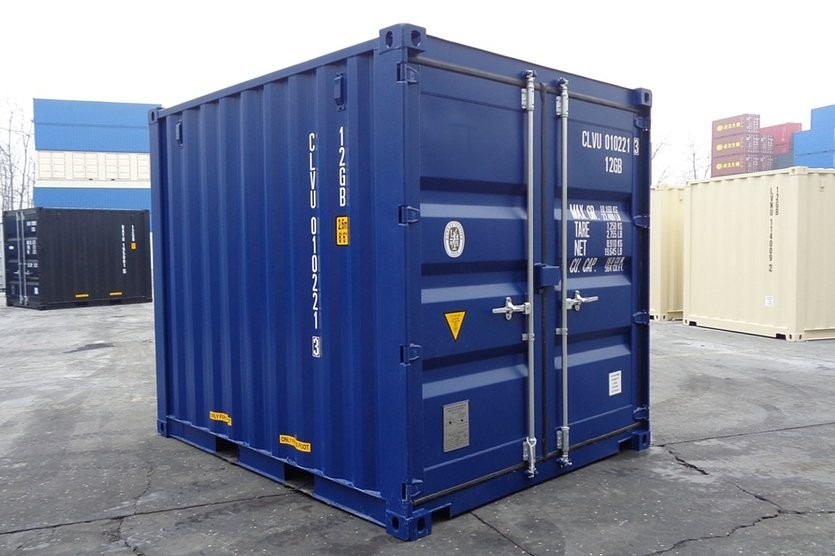
请登录或注册以提交给你的回答


