

The 10 Most Terrifying Things About Downpipes
Understanding Downpipes: Essential Components of Your Home’s Drainage System
Downpipes, also known as downspouts or rainwater leaders, are critical elements in a structure’s drainage system. They are responsible for directing rainwater or melted snow from the roof to the ground or drainage system, preventing water-related damage to the structure. This blog post will explore the value of downpipes, their various types, installation considerations, common issues, and maintenance tips.
Tabulation
- What Are Downpipes?
- Importance of Downpipes
- Types of Downpipes
- Key Factors in Downpipe Installation
- Typical Problems with Downpipes
- Maintenance Tips for Downpipes
- FAQs
- Conclusion
1. What Are Downpipes?
Downpipes are vertical pipes that carry rainwater from the roof gutters to the ground. They are normally attached to the corners of a structure and can also connect to underground drainage systems or soakaways to manage stormwater successfully.
2. Value of Downpipes
Downpipes serve a number of essential functions within a structure’s facilities: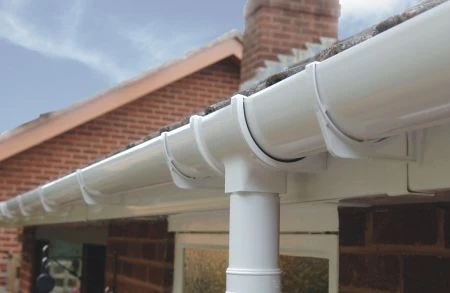
- Water Management: They help manage rainwater runoff, preventing excess water from pooling around the foundation of the building, which can result in mold, water damage, or structural issues.
- Structure Protection: By directing water far from the building, downpipes help protect the structure from disintegration and support the structure.
- Preventing Flooding: Downpipes lower surface flooding throughout heavy rain by diverting water to designated drainage locations.
3. Types of Downpipes
Downpipes are available in a range of materials and designs. Below is a table summarizing some of the most typical kinds of downpipes:TypeMaterialBenefitsDownsidesPVCPolyvinyl ChlorideLight-weight, simple to install, affordableCan end up being fragile in extreme temperaturesAluminumAluminumLight-weight, rust-resistant, visually pleasingCan be susceptible to dents or scratchesSteelGalvanized or StainlessVery long lasting, strongHeavier, might rust graduallyCast IronCast IronLong-lasting, can be aesthetically attractiveHeavy, prone to rust if not maintainedCopperCopperDurable, trendy, anti-bacterial residential or commercial propertiesPricey, might need specialist installationEach kind of downpipe has its own set of benefits and downsides, and the best choice frequently depends on the specific requirements of the structure, visual preferences, and spending plan restraints.
4. Secret Factors in Downpipe Installation
Successful installation of downpipes needs mindful factor to consider of numerous crucial factors:
- Sizing: Choosing the appropriate size for the downpipe is important. Downpipes that are too small may not manage heavy rainfall, leading to overflow, while those that are too big can be unnecessarily pricey.
- Positioning: Positioning is crucial, as downpipes require to be strategically located to gather water effectively from gutter systems. Ideally, downpipes ought to be placed at approximately 10 to 12-foot intervals along the Gutter Cleaning line.
- Water Discharge: It’s vital to determine where the water from the downpipe will discharge. Options include local drainage systems, rain barrels, or natural soakaways.
- Slope and Alignment: Downpipes should maintain a minor Gutter Cleaning slope towards the drainage indicate help with smooth water circulation and avoid obstructions.
5. Common Problems with Downpipes
Like any component of a structure’s infrastructure, downpipes can experience concerns. Here are some typical issues:
- Clogs: Leaves, particles, and other obstructions can obstruct downpipes, triggering water to overflow and potentially harm the building.
- Dripping Seams: Poorly linked sections or worn-out joints can result in leakages, which might go unnoticed until they trigger considerable water damage.
- Rust: Certain materials (like steel and copper) are vulnerable to rust over time, which can deteriorate the structure and demand replacement.
- Improper Sizing: Downpipes that are too small may cause inadequate water management.
6. Maintenance Tips for Downpipes
Regular maintenance is crucial to guarantee that downpipes work correctly. Here are some maintenance tips:
- Regular Cleaning: Remove leaves and particles from gutters and downpipes a minimum of twice a year, or more frequently in fall.
- Inspect Joints and Seams: Regularly inspect the connections for leakages or indications of wear and tear.
- Clear Blockages: Use a plumbing technician’s snake or a high-pressure water jet to clear any clogs discovered within the downpipe.
- Make Sure Proper Alignment: Check that downpipes stay lined up with gutters and are complimentary from bends that might limit circulation.
7. FAQs
1. How frequently ought to downpipes be cleaned?It is suggested to tidy downpipes at least two times a year. Nevertheless, in areas with heavy tree cover, more frequent cleaning might be necessary. 2. What size downpipe do I need?The size of the downpipeneeded will depend upon the size of your roof location
and local rains patterns. Consulting a professional can offer optimal sizing. 3. Can I install downpipes myself?While property owners with DIY experience might set up downpipes, it is suggestedto consult a professional for installation to guarantee proper sizing and positioning. 4. What materials are Best Guttering for downpipes in cold climates?PVC or aluminum are usually great options for cold climates, as they are less likely to crack compared toproducts like cast iron. 5. Are downpipes covered under
home insurance?Typically, downpipes are covered under home insurance coverage, but it is best to talk to your insurance provider for particular protection information. 8. Conclusion Downpipes may not be the most glamorous element of home construction, however they play a vital role in keeping the health and stability of buildings. By comprehending their significance, types, and maintenance,
property owners can
guarantee that their downpipes run efficiently, securing their residential or commercial properties from water damage. Buying quality products and professional installation, alongside routine maintenance, will add longevity and effectiveness to this necessary component of your drainage system. Keep in mind that prevention is always more affordable than repair.
请登录或注册以提交给你的回答


