

This Week’s Most Popular Stories About Heavy-Duty Compressor Purchase
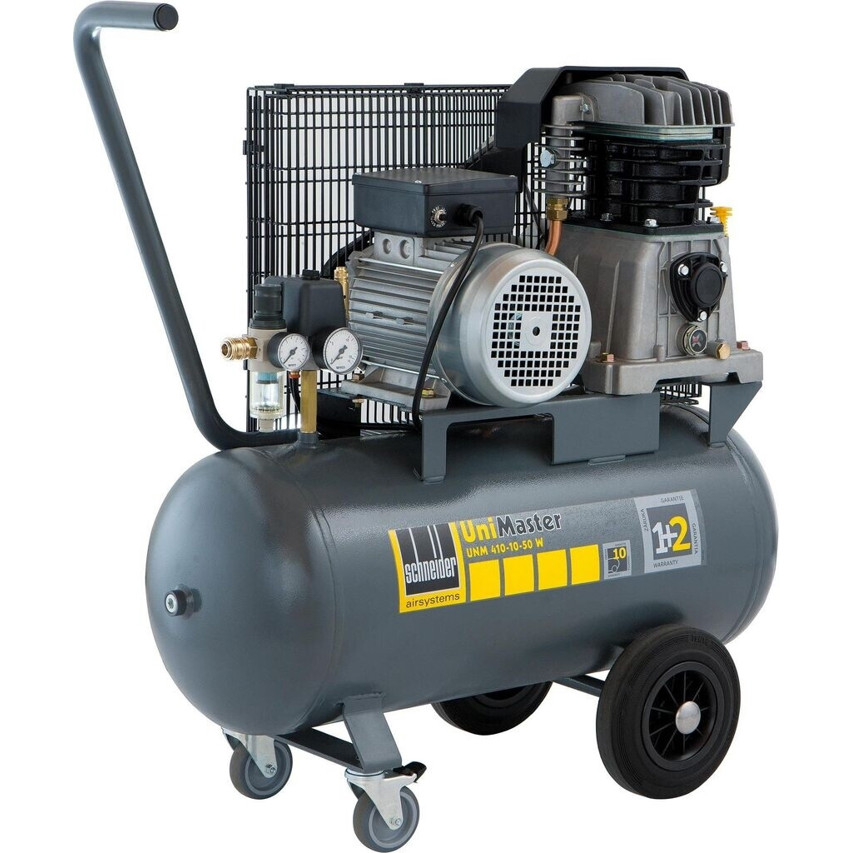
A Comprehensive Guide to Purchasing a Heavy-Duty Compressor
When it concerns industrial operations, building jobs, or major DIY jobs, selecting the best compressor is crucial. Heavy-duty compressors can serve a plethora of functions– from powering pneumatic tools and pumping up tires to supplying backup air supply in crucial situations. With different designs and types on the marketplace, it can be frustrating for purchasers to determine which heavy-duty compressor suits their needs best. This blog site post aims to offer a detailed guide to purchasing a heavy-duty compressor, complete with tables, lists, and answers to frequently asked concerns.
Understanding Heavy-Duty Compressors
Heavy-duty compressors are normally created for robust performance and effectiveness in demanding environments. They can deal with bigger work and run for prolonged periods without overheating. Here are some common kinds of heavy-duty compressors:
Types of Heavy-Duty Compressors
TypeDescriptionApplicationsReciprocating CompressorsUses pistons driven by a crankshaft; normally less costly and versatileBuilding and construction, automotive workshopsRotary Screw CompressorsUses twin rotors to compress air; exceptional for constant operationProduction, massive marketsCentrifugal CompressorsEmploys a rotating disk to increase air speed before transforming it into pressurePower plants, big chemical plantsDiaphragm CompressorsUtilizes a diaphragm to different gas and compress; exceptional for reactive gasesChemical processing, labs
Key Features to Consider
When buying a heavy-duty compressor, possible buyers need to focus on several key functions:
- Air Flow Rate (CFM): This describes the compressor’s capability to deliver air, generally determined in cubic feet per minute (CFM), which figures out how rapidly tools can operate.
- Size and Portability: Depending on where the compressor will be used, think about if a fixed or portable design is better.
- Power Source: Compressors can be powered by electrical power, gasoline, or diesel. Depending on your usage, the power source might affect your option significantly.
- Tank Size: Larger tanks can store more compressed air, enabling extended operation time however can be bulkier.
- Sound Level: Industrial environments can be loud, however some compressors produce more sound than others. Look for decibel rankings if noise is a concern.
- Operating Pressure: Ensure that the compressor can reach the pressure levels needed for your tools (measured in PSI).
Comparing Heavy-Duty Compressors
Performance Metrics Table
To make educated decisions, assessing key efficiency metrics can be incredibly beneficial. Below is a comparative table of three popular heavy-duty compressor models:ModelAir Flow Rate (CFM)Max Pressure (PSI)Tank Size (Gallons)Power SourceSound Level (dB)Price (₤)Model A10 CFM150 PSI30 GallonsElectric75 dB1,200Design B15 CFM175 PSI20 GallonsGasoline85 dB1,500Model C20 CFM200 PSI50 GallonsDiesel80 dB2,000
Advantages and Disadvantages
ModelAdvantagesDownsidesModel AAffordable, suitable for light to moderate tasksLower CFM, Kompressor-Reparaturwerkzeuge Kaufen may not support high-demand toolsDesign BBalanced performance, good mobilityGreater fuel intake in gas modelsModel CHigh CFM and PSI, ideal for industrial usageHeavier and more costly, needs more maintenance
Important Considerations Before Buying
- Evaluate Your Needs: Understand the particular jobs you require the compressor for, whether that includes running pneumatic tools, filling air tanks, or offering high-pressure air for a particular application.
- Budget: Set a sensible budget that accounts not only for the upfront expense of the compressor however also for continuous maintenance and potential repair work.
- Warranty and Service: Look for manufacturers that offer a strong warranty and have great service options. This can conserve you cash and headache in the long run.
- Brand Reputation: Research brand names, checked out evaluations, and get feedback from previous buyers to ensure you’re choosing a trusted item.
Regularly Asked Questions (FAQ)
1. How do I pick the right size compressor for my needs?
Selecting the best size compressor includes assessing the tools you require to power. Start with calculating the CFM and PSI required for your tools and choose a compressor that satisfies these specifications.
2. Can I utilize an electric compressor outdoors?
While some electric compressors are portable, you should guarantee they are ranked for outside usage and secured from rain or moisture.
3. What type of maintenance do heavy-duty compressors require?
Routine maintenance includes changing oil (for oil-lubricated designs), draining the tank to remove moisture, examining belts, and examining filters.
4. How long can a heavy-duty compressor run continually?
A lot of heavy-duty compressors can run for a few hours continually, but it depends upon their cooling mechanism and design. Always seek advice from the producer’s specifications.
5. Is it required to have a larger tank?
A larger tank is beneficial for prolonged use as it offers more air storage, permitting pneumatic tools to run longer between the compressor cycling on.Acquiring a heavy-duty compressor is a significant investment that can add worth to many industrial and construction tasks. By understanding types, features, efficiency metrics, and necessary factors to consider, prospective buyers can make informed choices that satisfy their particular requirements. Whether it’s for expert usage or serious DIY tasks, the right heavy-duty compressor can simplify operations and make tasks easier and more effective. Constantly think about the long-lasting implications of your choice, and do not hesitate to look for suggestions from experts or peers in the industry.
请登录或注册以提交给你的回答


