

Why Do So Many People Want To Know About Shipping Container Manufacturers?
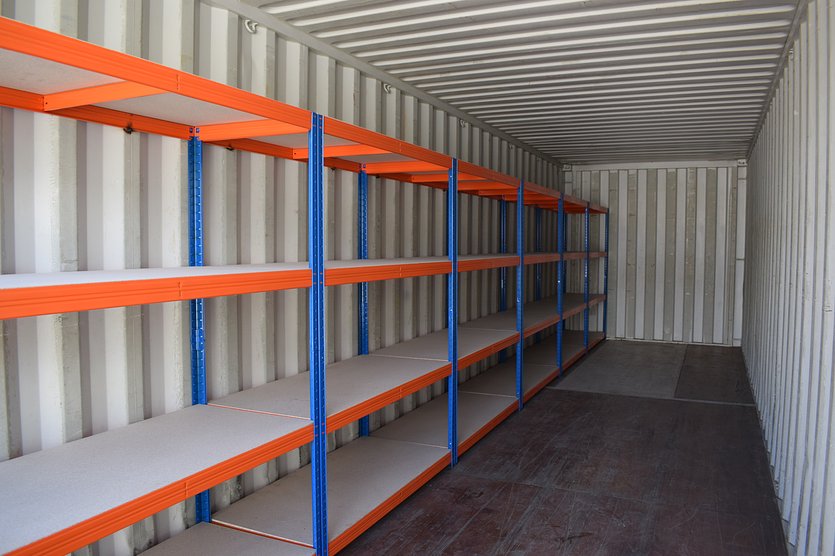
The Rise of Shipping Container Manufacturers: An Overview
In the last few years, shipping containers have transcended their initial function of transportation, acquiring appeal in various sectors such as housing, retail, and temporary storage. This evolution has resulted in a blossoming market for shipping container manufacturers. This article provides a helpful look into the shipping container manufacturing market, detailing the kinds of containers produced, key manufacturers, and worldwide trends, while attending to typical concerns about the industry.
Understanding Shipping Containers
Shipping containers are standardized steel boxes designed to transport items effectively and firmly throughout different modes of transport, including ships, trucks, and trains. They are available in various sizes, with the most common being the 20-foot and 40-foot containers.
Types of Shipping Containers
Container TypeDescriptionCommon UsesRequirement ContainerA standard container designed for basic cargo.Shipping items, storage.High Cube ContainerComparable to standard however taller, providing additional vertical space.Keeping larger items, equipment.Refrigerated ContainerInsulated containers with built-in refrigeration for temperature-sensitive products.Shipping perishables.Open Top ContainerIncludes no top, permitting high loads that can not fit through the doorway.Transporting heavy equipment.Flat Rack ContainerA flat platform for big cargo that does not fit into routine containers.Heavy and oversized devices.Tank ContainerDesigned for carrying liquids and gases.Chemicals, food items.
Secret Shipping Container Manufacturers
The global shipping container manufacturing industry is controlled by a couple of crucial gamers. Below is a table detailing a few of the most popular manufacturers, highlighting their production capacity and item offerings.ManufacturerCountryYearly Production CapacityExpertiseMaersk Container IndustryDenmark300,000+ containersStandard and refrigerated.CIMC (China International Marine Containers)China700,000+ containersAll types, including custom designs.Dong Fang International ContainerChina200,000+ containersStandard and high cube.Singamas Container HoldingsHong Kong280,000+ containersStandard, refrigerated, and unique function.T.ContainerTurkey150,000+ containersBuy Used Shipping Containers containers, shipping, and storage solutions.
Manufacturing Process
Shipping container manufacturing involves a number of essential stages:
- Steel Cutting: Raw steel sheets are cut into the required dimensions for container walls, roofing systems, and floorings.
- Formation: The cut steel is then shaped into the container’s structure.
- Welding: The different components are bonded together to form a tough container.
- Painting and Coating: A protective coating is used to avoid rust and weather condition damage, typically including company branding.
- Evaluation: Finally, the containers go through strenuous examination to ensure they fulfill worldwide shipping requirements.
Trends Influencing the Industry
The shipping container manufacturing market is affected by numerous trends, which consist of:
1. Sustainability Initiatives
Increasing emphasis on sustainable practices has triggered manufacturers to adopt eco-friendly products and procedures. Lots of manufacturers are now recycling old containers, refurbishing them for new usages.
2. Personalization
The rise in demand for non-standard shipping solutions has actually led to an increase in custom container styles. This is especially common in the housing sector, where companies create affordable housing solutions utilizing modified containers.
3. Technological Advancements
The intro of automated processes in production has caused increased performance and minimized costs. In addition, digital tracking innovations in transportation are enhancing logistics.
4. Growing Demand in Emerging Markets
Emerging economies are experiencing fast facilities advancement, causing a higher demand for shipping containers for construction, retail, and storage.
Frequently Asked Questions
Q1: What is the life expectancy of a shipping container?
A1: A well-kept shipping container generally lasts 25 to 30 years. However, its life can be extended through appropriate care and upkeep.
Q2: Can shipping containers be modified for property usage?
A2: Yes, Shipping Container Business Intermodal Containers can be modified into livable spaces. Numerous designers and builders have successfully changed containers into homes, workplaces, and stores.
Q3: Are there different shipping container accreditations?
A3: Yes. Containers needs to satisfy specific ISO (International Organization for Standardization) standards to guarantee they are safe and appropriate for international shipping.
Q4: How are used shipping containers sourced for sale?
A4: Buy Used Shipping Containers containers are normally gotten from shipping companies, which sell containers that are no longer in service. They are examined and repaired before resale.
Q5: What are the costs connected with acquiring a shipping container?
A5: Costs can vary extensively based on the type, condition, and modifications of the container. Prices typically range from ₤ 1,500 to ₤ 5,000 for used containers, while new containers can start at around ₤ 3,000 and go up from there.The landscape of shipping container manufacturing is progressing, driven by sustainability, technological developments, and diversifying applications. As markets continue to check out innovative uses for shipping containers, manufacturers will require to adapt to altering needs and remain at the forefront of efficient production practices. Understanding the subtleties of this market can help possible buyers and investors make informed choices, whether they are aiming to purchase a container for 40ft Shipping Container functions or repurposing it for an innovative new job. The future of shipping containers is intense, and comprehending these components is key to navigating the market successfully.
请登录或注册以提交给你的回答


